
Designing life-critical medical equipment presents immense mechanical, electrical, and regulatory hurdles for modern engineering teams. A single micro-component failure can lead to catastrophic medical device recalls and severely compromised patient safety in active surgical suites. Fortunately, selecting the perfect dc motor med gear solution ensures that your clinical hardware operates with absolute precision and long-term mechanical reliability. This guide reveals the two key engineering considerations to streamline your component specification process and optimize design outcomes.
Why is choosing the right medical gear motor critical?

Choosing the right medical-grade motor is critical because it directly influences both patient outcomes and the mechanical reliability of clinical equipment. When a machine operates on a high-precision dc motor med gear system, it minimizes the risks of structural downtime and catastrophic errors. Consequently, selecting optimized hardware protects your manufacturing reputation while guaranteeing continuous therapy for patients who need it most. Proper engineering ensures that medical devices consistently meet the rigorous, daily demands of intensive care settings.
Are lives literally on the line?
During complex surgical procedures or automated drug administration, there is zero room for error. If an infusion pump or a mechanical ventilator experiences motor failure, the consequences for the patient can be fatal. Engineering for fail-safe operations means selecting medical-grade micro-drives designed for extreme reliability. The mechanical integrity of your motor directly translates to the preservation of human life.
To mitigate these extreme patient risks, medical OEMs must prioritize specific component characteristics.
- Thermal Runaway Prevention: This prevents heat damage to surrounding delicate tissues and sterile plastics.
- Zero-Cogging Rotation: This ensures continuous, non-pulsing fluid delivery at slow operating rates.
Choosing these specialized features safeguards patients while ensuring flawless device performance under pressure.
How does reliability reduce hospital liability?
Reliable medical gear motors dramatically lower the frequency of equipment failures, which directly protects healthcare systems from devastating malpractice lawsuits. When clinical devices perform flawlessly, hospitals can focus entirely on patient care without fearing product liability claims. This engineering consistency establishes trust between the medical equipment manufacturer and the clinical staff. Over time, high operational uptime translates into long-term contract renewals for OEM developers.
Ultimately, investing in robust medical motion control minimizes risk and builds unbeatable brand equity for B2B medical manufacturers. Delivering high-uptime solutions is the fastest way to win trust in highly regulated clinical markets. Reliability is not just a safety feature; it is your strongest competitive advantage.
| Component Type | Core Functions in Medical Units | Key Performance Benefits | |
|---|---|---|---|
| DC Coreless Motor | Delivers zero-cogging, smooth low-speed rotation | High acceleration, eliminates mechanical vibration | |
| Planetary Gearhead | Multi-point load sharing, high torque multiplication | Extremely compact size, high radial load capacity | |
| Integrated Encoder | Closed-loop positional and velocity feedback | High-resolution tracking for precise dose delivery |
Analyzing these core risk metrics highlights why premium motor integration is essential for hospital safety.
What are the key performance requirements for medical motors?

The key performance requirements for medical motors involve achieving the precise balance of high torque density, efficient electrical consumption, and quiet operation. Selecting a high-performance dc motor med gear setup ensures that portable and stationary clinical machines function reliably under variable load conditions. Device engineers must carefully evaluate the physical envelope and torque profiles during development to avoid overheating. Properly specified metrics ultimately determine the accuracy and operating lifetime of the clinical device.
How much torque do surgical instruments need?
Surgical hand tools require massive startup torque to pierce bone or tissue but must remain incredibly lightweight to prevent surgeon hand fatigue. Balancing these contrasting mechanical demands requires a highly specialized power-to-weight ratio. Miniature motors must deliver instant peak power without suffering from heat buildup or mechanical wear. This balance is what separates consumer-grade drives from medical-grade engineering.
To achieve optimal surgical precision, development teams must calculate three critical torque thresholds during selection.
- Continuous Torque: The standard continuous rotational force required during normal operations.
- Peak Torque: The maximum short-burst force needed to break through dense materials.
Engineers must align these parameters with actual clinical workloads to prevent premature system failure.
Why is duty cycle crucial for fluid pumps?
Duty cycle is crucial for fluid pumps because it defines whether the motor operates continuously or in short, intermittent bursts. An incorrect duty cycle calculation will lead to motor overheating, winding degradation, and unexpected fluid delivery stoppage. Continuous-duty pumps require specialized thermal dissipation and wear-resistant bearings to maintain constant flow rates over long clinical shifts. Selecting the correct duty cycle rating directly ensures patient safety and reliable medication administration.
In the B2B space, specifying accurate torque and duty cycle parameters protects your investment and ensures seamless regulatory approvals. This clinical-first approach guarantees that your medical machines deliver long-term value and unrivaled mechanical safety. Selecting the correct performance standard eliminates field recalls before they can start.
| Performance Parameter | Clinical Device Application | Primary Engineering Benefit | |
|---|---|---|---|
| Continuous Torque | Infusion Pumps | Guarantees non-pulsing fluid administration | |
| Peak Startup Torque | Surgical Drills | Easily cuts through bone and dense tissue | |
| High Duty Cycle | Ventilators | Provides constant, long-term operational uptime |
Carefully analyzing these performance specifications helps engineering teams design highly efficient, long-lasting clinical systems.
Should you choose brushed or brushless DC motors?
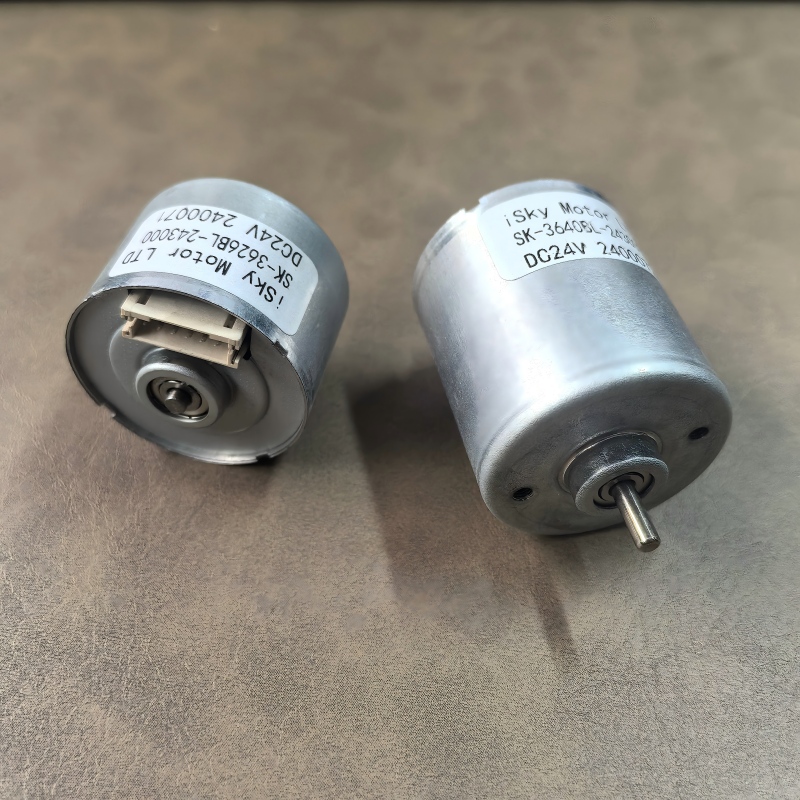
The choice between brushed and brushless systems depends entirely on your medical application’s lifespan, control complexity, and target cost budget. If your project requires maintenance-free continuous operation, a brushless dc motor med gear system is almost always the superior choice. However, simpler or disposable medical equipment can benefit significantly from the low cost of brushed alternatives. Evaluating these mechanical tradeoffs early in the design cycle prevents expensive redesigns down the line.
What makes brushless motors ideal for long life?
Brushless motors completely eliminate physical mechanical brushes, which removes the primary source of motor friction and wear. Without brushes to wear down or generate carbon dust, these motors can operate for tens of thousands of hours without maintenance. This cleanliness is incredibly valuable in sterile clinical environments where particulate contamination must be avoided at all costs. Furthermore, the absence of friction allows brushless designs to achieve much higher rotational speeds.
Because brushless technology relies on electronic commutation, it offers several unique advantages for critical medical hardware.
- Particulate-Free Design: Eliminates carbon brush dust to maintain cleanroom and sterile conditions.
- Superior Heat Dissipation: Places the windings on the stator, allowing heat to escape quickly.
These mechanical characteristics make brushless systems the premium standard for modern life-support machines.
When are brushed motors still cost-effective?
Brushed motors remain highly cost-effective for disposable medical devices and clinical applications that do not require continuous runtime. Because they do not need complex electronic driver modules to run, they dramatically lower the initial system development cost. This simple direct-on-line operation makes them perfect for single-use surgical instruments or motorized hospital furniture. Understanding when to leverage these cost savings allows design teams to optimize their bill-of-materials budgets without sacrificing performance.
Balancing motor longevity against upfront system costs allows B2B procurement managers to maximize return on investment. Choosing brushless motors for high-duty surgical systems and brushed motors for disposables optimizes your product portfolio. This strategic allocation of resources drives profitability while meeting clinical safety standards.
| Motor Technology | Operating Lifespan | System Control Cost | Best Clinical Application | |
|---|---|---|---|---|
| Brushed DC | Moderate (brush wear) | Low (no driver needed) | Disposable tools, patient beds | |
| Brushless DC (BLDC) | Extremely High (bearing limited) | Higher (requires driver) | Ventilators, surgical robotics |
Evaluating these structural comparisons helps engineers select the most cost-effective motor technology for their clinical devices.
Why does planetary vs spur gearbox selection matter?
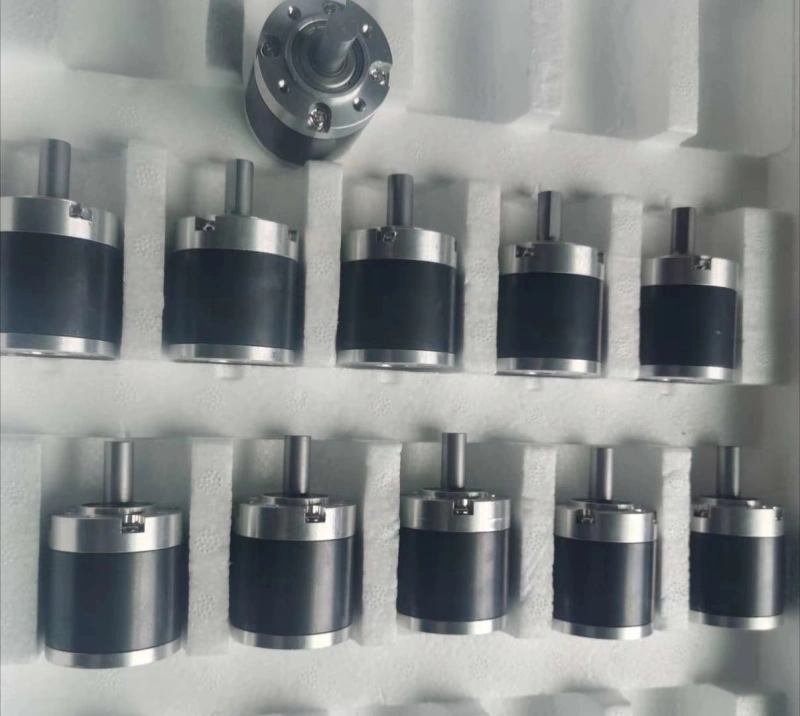
The selection between planetary and spur gearboxes matters because it directly dictates the torque density, mechanical efficiency, and physical size of your drive system. For space-constrained medical designs demanding high load capacities, utilizing a planetary dc motor med gear combination is crucial. Conversely, applications with lower torque needs and strict cost budgets can leverage the simplicity of spur gearheads. Making the correct mechanical choice ensures that your device’s gearbox can withstand daily clinical operation.
Is a planetary gearbox best for high torque?
Planetary gearboxes are the undisputed champions when it comes to delivering high torque within extremely tight physical envelopes. By distributing the mechanical load across multiple planet gears simultaneously, they achieve incredible load-bearing capacity. This coaxial design prevents gear alignment deflection and minimizes the risk of tooth breakage under sudden surgical loads. For high-torque robotics and orthopedic drills, planetary gearing is the industry gold standard.
Medical design teams specify planetary gearheads due to their distinct mechanical advantages under high physical stress.
- Multi-Point Load Sharing: Distributes stress across several gears for high torque output.
- Coaxial Shaft Alignment: Saves precious physical space within hand-held surgical tools.
These structural features allow for ultra-compact, high-durability medical power transmission.
When should you specify spur gearboxes?
You should specify spur gearboxes when your application demands simple, cost-effective speed reduction with lower overall torque requirements. Because spur gears feature straight-cut teeth that mesh directly, they exhibit very low internal friction and draw minimal power. This high mechanical efficiency makes them ideal for battery-operated medical devices like automated pipettes and diagnostic analyzers. Utilizing spur gearheads in low-load applications is a highly efficient way to control manufacturing expenses.
Selecting the ideal gearbox architecture enables B2B engineering teams to optimize both physical space and manufacturing costs. Aligning gearbox torque capabilities with clinical applications ensures long-term mechanical safety and product success. This precise component matching is key to building highly competitive medical machinery.
| Gearbox Type | Torque Density | Internal Friction | Primary Clinical Application | |
|---|---|---|---|---|
| Planetary Gearbox | Extremely High | Moderate | Surgical drills, robotic joints | |
| Spur Gearbox | Low to Moderate | Extremely Low | Diagnostic analyzers, pipettes |
Comparing these gearbox topologies allows developers to strike the perfect balance between size, torque, and cost.
How does sealing protect motors in surgical environments?

Sealing protects medical motors by establishing a physical barrier against blood, physiological fluids, saline washes, and aggressive chemical sterilants. In demanding operating rooms, an unsealed dc motor med gear system would quickly fail due to fluid ingress and internal corrosion. Implementing robust elastomeric seals and specialized gaskets preserves the internal electronics and gear trains from external contamination. Ensuring high seal integrity is therefore a non-negotiable requirement for any motor used in sterile environments.
What is the significance of IP ratings?
An Ingress Protection rating is the only standardized way to verify how well your motor resists dust and moisture. For surgical tools that undergo autoclaving or heavy fluid contact, specifying an IP67 or IP68 rating is absolutely mandatory. These high ratings ensure that the internal motor cavity remains entirely dry even when fully submerged in sanitizing solutions. Without these certified protection levels, clinical devices face a massive risk of short-circuiting during active procedures.
Specifying the correct IP rating protects your medical hardware from several common environmental threats.
- IP65 Protection: Prevents water jet ingress during routine clinical cleaning cycles.
- IP67 Protection: Guarantees survival during temporary submersion and chemical disinfection.
These standardized benchmarks give hospital purchasing departments ultimate confidence in your device’s durability.
How do corrosive fluids impact motor lifespan?
Corrosive fluids like saline and bodily proteins can destroy precision motor windings and gear teeth within a matter of hours. When these liquids penetrate the housing, they trigger rapid oxidation and degrade critical lubricants, leading to mechanical binding. This corrosion-induced friction increases power draw, which dramatically shortens the battery life of portable clinical tools. Proper sealing prevents this degradation, ensuring the motor maintains its original efficiency and torque throughout its service life.
For B2B medical OEMs, prioritizing high IP-rated sealing translates directly into lower warranty claims and enhanced product life. Protecting your internal motor drive ensures your equipment remains highly reliable in extreme surgical environments. Superior sealing is a simple engineering investment that prevents costly clinical failures.
| Ingress Protection (IP) | Protection Level | Recommended Medical Application | |
|---|---|---|---|
| IP65 | Water jets and dust tight | Patient beds, fluid monitors | |
| IP67 | Submersion up to 1 meter | Hand-held surgical tools, autowashable devices |
Reviewing these ingress protection levels helps engineers guarantee long-term motor survivability in harsh clinical settings.
What role do sensors and encoders play in medical safety?
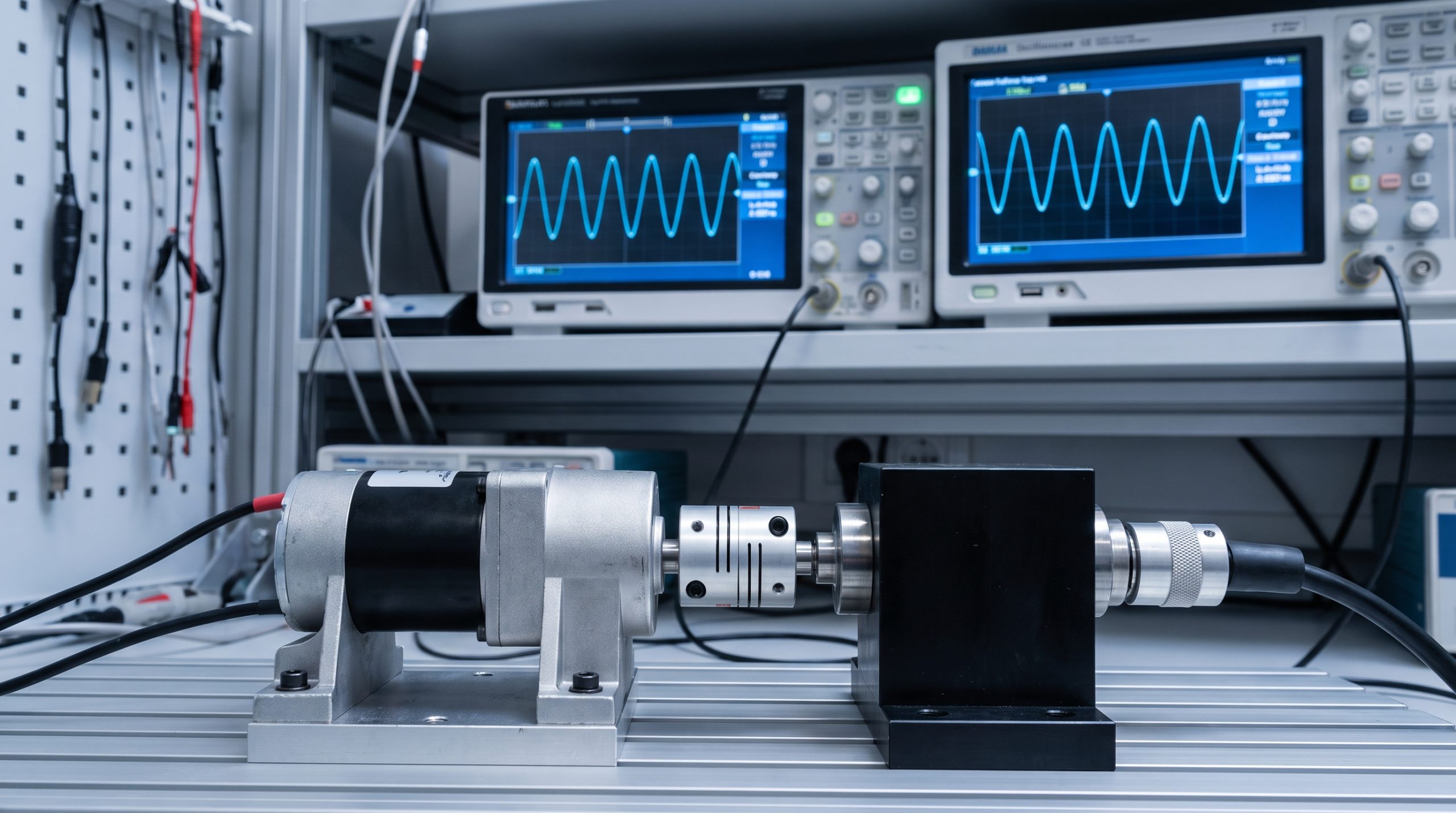
Sensors and encoders play a vital role in medical safety by providing real-time positional and speed feedback to the device’s main controller. Utilizing a closed-loop dc motor med gear configuration allows the machine to detect and correct deviations in movement immediately. This high level of sensory feedback is essential to prevent dosage errors in infusion pumps and mechanical overshoot in surgical robotics. Without integrated sensors, medical equipment would operate in an open loop, which presents unacceptable patient safety risks.
Why is closed-loop feedback critical?
In life-critical devices like automated ventilators, the machine must know exactly how much fluid or air it is delivering at any given millisecond. Closed-loop feedback allows the controller to adjust the motor speed dynamically based on changing patient resistance. This instant responsiveness prevents over-pressurization of fragile lungs and ensures highly accurate medication dosing. Relying on open-loop estimation is simply not an option when patient lives are directly on the line.
Implementing closed-loop architecture delivers several critical safety and performance advantages for medical devices.
- Precision Position Tracking: Guarantees exact angular movement for surgical robotic joints.
- Instant Error Detection: Stops the motor immediately if mechanical binding or blockage is detected.
These capabilities ensure that your clinical hardware maintains absolute control under all operational conditions.
What are the benefits of Hall effect sensors?
Hall effect sensors offer outstanding benefits for medical equipment due to their non-contact, wear-free method of detecting magnetic fields. Because they do not rely on physical contact to track rotation, they do not suffer from mechanical wear and tear over time. This makes them incredibly reliable for high-speed brushless motors that must run continuously in medical ventilators. Additionally, their simple solid-state construction allows them to fit easily within the tight physical footprints of miniature motors.
Incorporating high-resolution encoders into your clinical machines ensures compliance with strict international medical safety guidelines. This technological superiority helps B2B medical developers win competitive government tenders and hospital supply contracts. Precision feedback systems are essential for modern, high-value clinical hardware.
| Sensor Type | Feedback Mechanism | Primary Advantage in Medical Machinery | |
|---|---|---|---|
| Hall Effect Sensor | Magnetic, non-contact | High durability, compact size, zero friction | |
| Optical Encoder | Light-based disc tracking | Extremely high resolution for microscopic robotic cuts |
Evaluating these feedback technologies ensures that your medical motion control system operates with maximum safety.
How do you design for low noise in patient-care areas?

Designing for low noise in patient-care areas requires selecting high-precision gear profiles, dampening mechanical vibrations, and utilizing quiet motor topologies. Incorporating a whisper-quiet dc motor med gear assembly ensures that critical bedside devices do not disrupt resting patients. Hospital environments have strict acoustic limits because loud machinery can trigger clinical anxiety and delay patient healing. Consequently, optimizing the acoustic output of your medical device is a core requirement for commercial success.
Why is acoustic noise a patient stressor?
High noise levels in an intensive care unit can cause clinical alarm fatigue, sleep deprivation, and elevated blood pressure in fragile patients. When medical pumps and ventilators hum loudly, they create a chaotic environment that hinders the patient’s recovery process. Minimizing acoustic pollution is now a key focus for hospital procurement departments worldwide. Quiet medical equipment directly improves patient satisfaction scores and clinical outcomes.
Reducing the acoustic footprint of your medical hardware requires focusing on specific mechanical design areas.
- Helical Gearing: Improves tooth contact ratio to eliminate high-pitched gear whine.
- Vibration Isolation Mounts: Absorbs structural resonance before it amplifies through the device chassis.
These proactive engineering steps turn loud medical machines into whisper-quiet bedside companions.
Can helical gears reduce decibel levels?
Yes, helical gears can dramatically reduce decibel levels compared to traditional straight-cut spur gears. Because helical teeth are cut at an angle, they mesh gradually, which results in smoother power transmission and far less mechanical vibration. This gradual engagement eliminates the harsh “clicking” or “whining” sound commonly associated with high-speed micro-gearboxes. For bedside medical devices operating throughout the night, helical gear integration is the most effective way to maintain a peaceful clinical environment.
Offering whisper-quiet medical hardware provides B2B equipment developers with a massive competitive edge in the clinical procurement process. Hospitals actively prioritize low-noise machinery to enhance patient healing and reduce staff cognitive fatigue. Acoustic optimization is a key selling point that drives long-term commercial growth.
| Gear Profile | Noise Profile (dB) | Tooth Engagement | Ideal Hospital Placement | |
|---|---|---|---|---|
| Straight Spur Gears | High to Moderate | Instantaneous | Remote clinical labs, diagnostics | |
| Helical Gears | Extremely Low | Gradual, continuous | ICU bedside pumps, ventilators |
Analyzing gear-mesh acoustic profiles allows design engineers to significantly reduce operational noise in patient care areas.
What regulatory standards must medical gear motors meet?
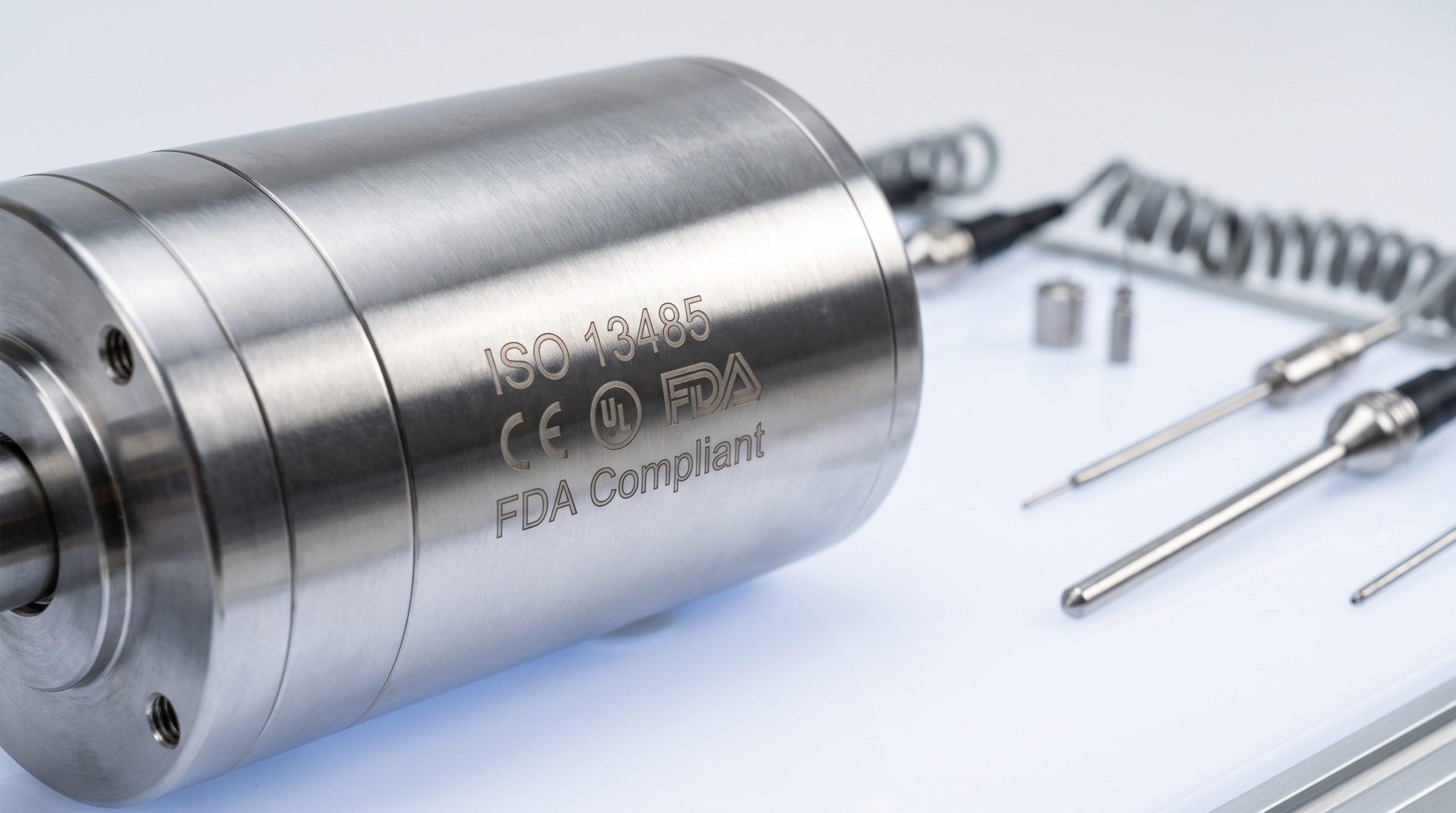
Medical gear motors must meet rigorous international standards including ISO 13485, IEC 60601-1, and biocompatibility regulations to ensure safety and clinical efficacy. Selecting a certified dc motor med gear platform simplifies your clinical validation process and speeds up global regulatory approvals. These stringent standards guarantee that the motor is safe from electrical leakage, electromagnetic interference, and hazardous material contamination. Partnering with a manufacturer that adheres to these protocols is vital to avoid regulatory delays.
Is ISO 13485 certification mandatory?
While ISO 13485 is technically a quality management standard for the entire medical device company, sourcing parts from an ISO 13485-certified supplier is highly recommended. It guarantees that every single component, from the raw steel shaft to the internal copper windings, has complete traceability. This traceability is essential during FDA audits or product quality investigations. Choosing certified component partners drastically reduces your manufacturing liability and documentation workload.
Sourcing components from certified suppliers ensures several critical benefits for your quality control team.
- 100% Component Traceability: Allows immediate identification of materials used in every production batch.
- Standardized Quality Testing: Guarantees that every motor meets strict performance tolerances before shipping.
These rigorous quality controls prevent field failures and protect your brand’s regulatory status.
How do biocompatible materials prevent risk?
Biocompatible materials prevent the risk of chemical outgassing and toxic contamination within sterile surgical zones. If a medical motor uses non-compliant plastics or standard industrial lubricants, it can release harmful volatile organic compounds when heated. These toxic emissions can contaminate sterile fluids or patient breathing circuits, causing severe clinical complications. Specifying medical-grade, biocompatible seals and synthetic lubricants is therefore mandatory for patient-facing devices.
For B2B medical OEMs, sourcing pre-certified and fully compliant components is the most efficient way to reduce development time and expenses. This proactive approach ensures that your medical machines easily pass regulatory audits in North America, Europe, and Asia. Compliance is the foundation of successful medical device commercialization.
| Regulatory Standard | Target Focus area | Importance for Medical OEMs | |
|---|---|---|---|
| ISO 13485 | Quality Management & Traceability | Simplifies manufacturing audits and quality compliance | |
| IEC 60601-1 | Electrical & Mechanical Safety | Prevents electrical shock and mechanical hazards | |
| ISO 10993 | Material Biocompatibility | Ensures clinical materials are non-toxic to patients |
Understanding these regulatory requirements allows manufacturers to streamline product approval cycles and eliminate certification risks.
How can you customize motors for complex surgical robotics?
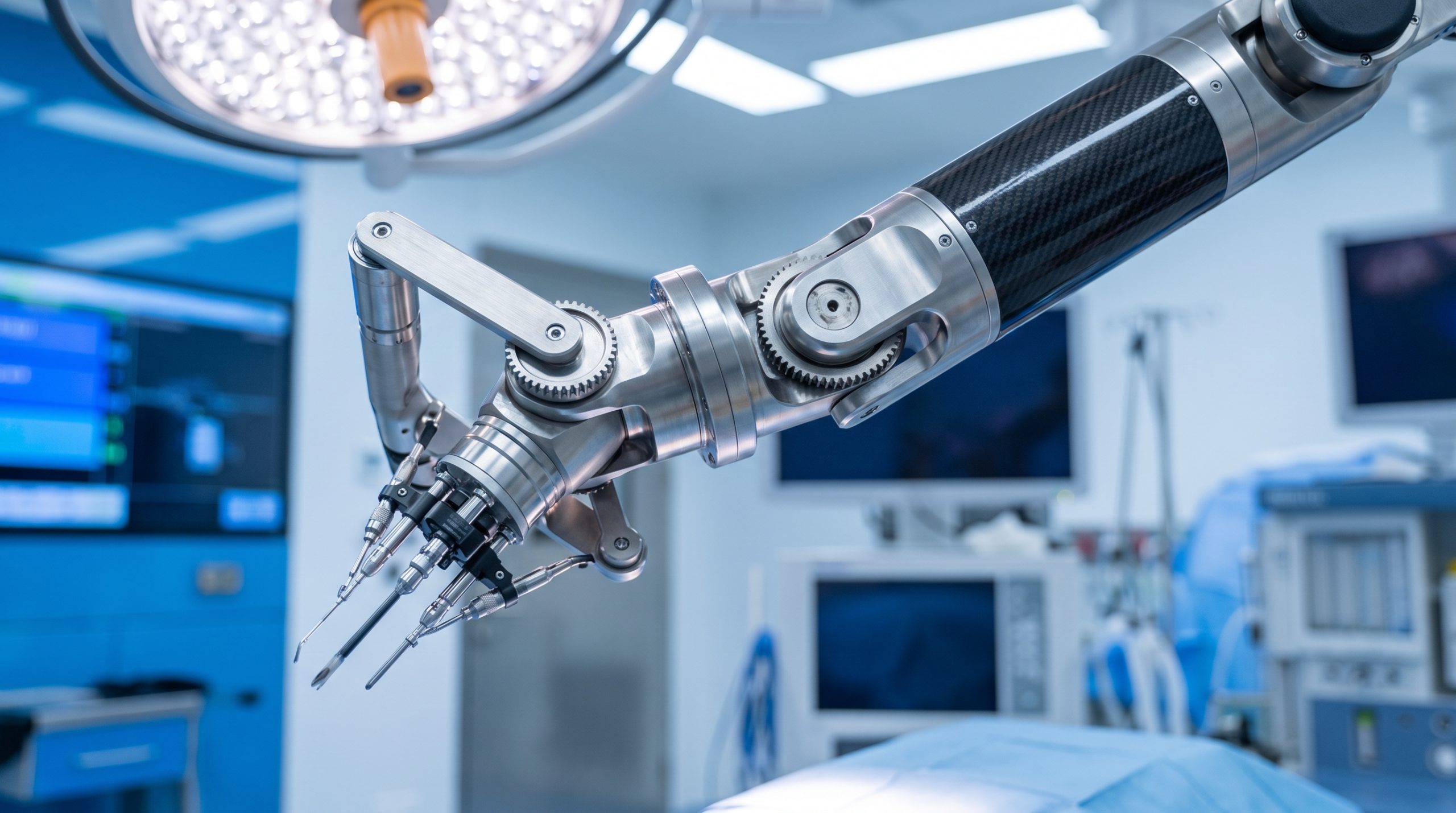
You can customize medical motors by modifying shaft configurations, integrating high-resolution encoders, and developing custom housings designed to fit unique robotic form factors. Standard, off-the-shelf components rarely meet the extreme space and torque requirements of modern surgical robotics. Specifying a tailored dc motor med gear system allows design engineers to maximize performance without compromising on the device’s ergonomic envelope. Customization is the key to achieving the precise movement required for minimally invasive clinical procedures.
Are customized shafts necessary for robotics?
Standard motor shafts are rarely capable of interfacing directly with the complex mechanical linkages of surgical robotic joints. Customizing the output shaft with specific flat cuts, cross-holes, or integrated lead screws eliminates the need for bulky external couplings. This direct mechanical integration reduces overall system size, weight, and mechanical backlash, which is critical for precision control. Custom shafting ensures that every ounce of motor torque is transmitted directly to the robotic instrument.
Designers can specify a wide range of shaft modifications to simplify robotic assembly and improve mechanical accuracy.
- D-Cut and Spline Shafts: Prevent slippage under high-torque robotic operations.
- Integrated Pinions or Lead Screws: Reduce the overall component count and minimize mechanical tolerance stack-up.
These custom mechanical features streamline your production process and enhance joint positioning accuracy.
Why are integrated encoders a game-changer?
Integrated encoders are a game-changer because they deliver high-resolution positional feedback directly from the motor shaft without increasing the physical footprint. In robotic surgery, the control computer must know the exact position of the cutting instrument down to the sub-millimeter level. Placing the encoder inside the motor housing protects it from external electromagnetic interference and mechanical damage. This seamless integration ensures the highest level of tracking accuracy while saving critical space inside the robotic arm.
Partnering with a manufacturer capable of advanced motor customization allows B2B surgical robotics developers to launch highly innovative clinical systems. Tailored motion control solutions ensure that your robotic hardware performs with extreme precision and unmatched reliability. Custom engineering is the ultimate driver of robotic surgical success.
| Customization Type | Design Modification | Primary Advantage in Robotics | |
|---|---|---|---|
| Mechanical Shafting | Integrated lead screws, flats | Reduces backlash, saves physical assembly space | |
| Feedback Integration | Built-in high-resolution encoders | Delivers sub-millimeter positional accuracy safely |
Evaluating custom mechanical and feedback modifications allows developers to design highly optimized, cutting-edge surgical robots.
How do you choose the right B2B motor manufacturer?
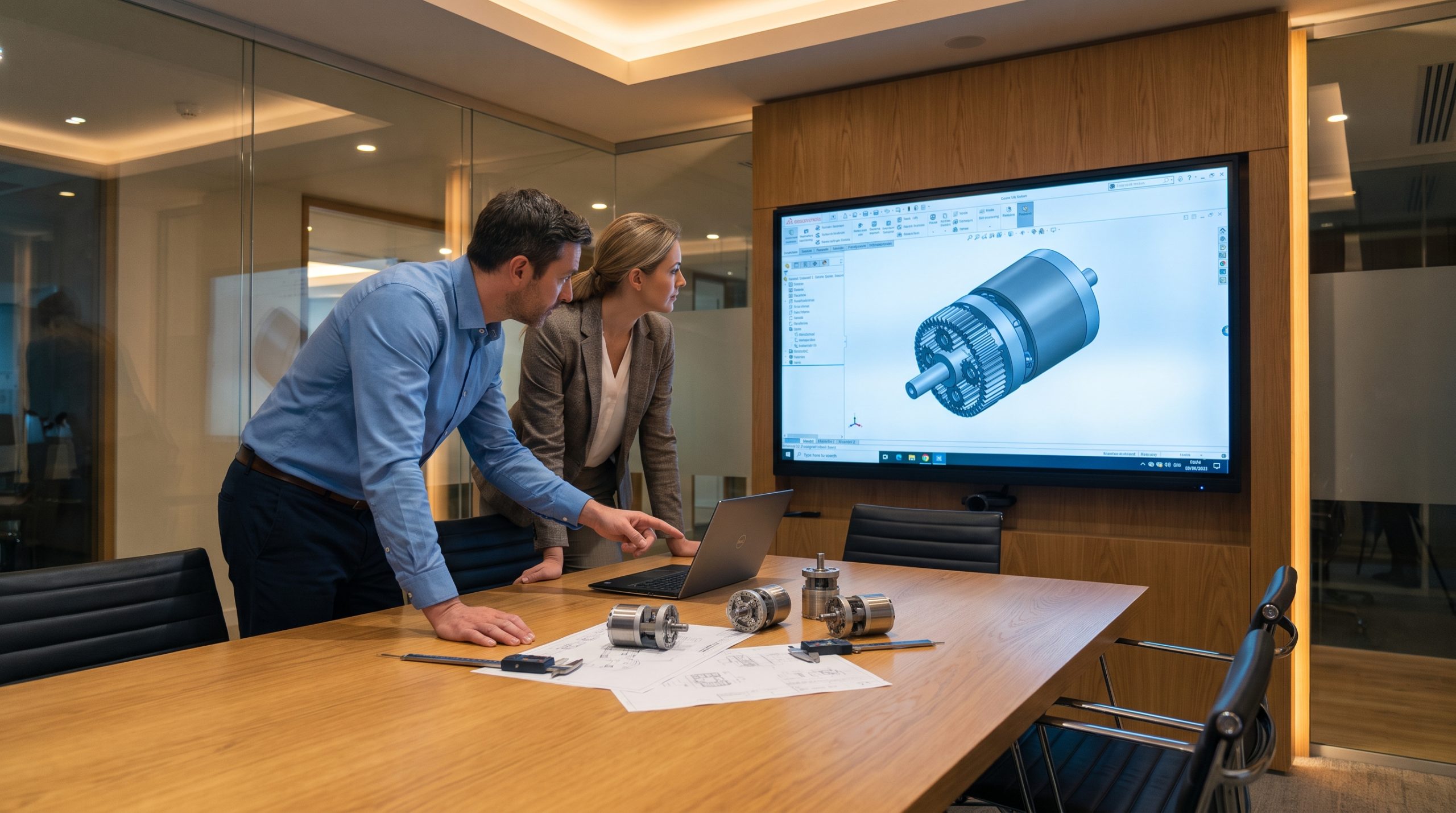
To choose the right B2B motor manufacturer, you must evaluate their quality management systems, custom engineering capabilities, and production capacity. Sourcing your dc motor med gear assemblies from a tier-1 partner ensures a secure supply chain and consistent component quality. A reliable manufacturer should offer comprehensive design support from the initial prototyping phase all the way to high-volume manufacturing. Choosing the right partner ultimately safeguards your production timeline and protects your clinical market reputation.
What quality controls should you verify?
In medical device manufacturing, a single out-of-tolerance part can halt your entire production line and trigger devastating clinical recalls. You must verify that your supplier conducts 100% automated end-of-line testing for torque, speed, and electrical noise. Asking for detailed documentation on raw material sourcing and failure analysis capabilities is essential to ensure long-term product reliability. A transparent quality control process is the hallmark of a world-class manufacturing partner.
When auditing a potential B2B motor supplier, make sure their facility implements these strict quality control measures.
- Automated End-of-Line Testing: Verifies torque and speed parameters for every shipped motor.
- ISO Class 7/8 Cleanroom Assembly: Prevents particulate contamination during the assembly of critical medical drives.
These robust QA protocols guarantee that every motor delivered to your facility meets medical safety standards.
Why is B2B co-engineering so valuable?
B2B co-engineering is incredibly valuable because it brings motor design experts and medical device engineers together to solve complex mechanical integration challenges. By working collaboratively during the early CAD design stages, both teams can optimize the motor’s electrical windings, gear ratios, and mounting brackets. This collaborative approach eliminates common design errors and dramatically accelerates your product’s speed-to-market. Ultimately, co-engineering results in a highly optimized clinical device that outperforms generic off-the-shelf alternatives.
Selecting a true B2B manufacturing partner ensures that your medical machines are powered by high-quality, fully optimized motion systems. This collaborative relationship minimizes engineering risks, speeds up product development cycles, and guarantees continuous supply chain stability. Strong partnerships are the foundation of highly successful medical equipment product launches.
| Manufacturer Attribute | Critical OEM Evaluation Metric | Primary Benefit to B2B Clients | |
|---|---|---|---|
| Quality Protocols | 100% automated end-of-line validation | Eliminates defective components and field recalls | |
| Co-Engineering | Collaborative CAD design & quick prototyping | Speeds up developmental cycles and saves cost | |
| Supply Chain | ISO 13485-certified traceability | Ensures seamless compliance and delivery stability |
Carefully evaluating these core manufacturer metrics helps B2B design teams select a highly reliable, long-term technical partner.
Selecting the right miniature motion control system is a critical milestone in the development of any high-precision medical machine. By carefully evaluating torque requirements, duty cycles, brushed vs. brushless topologies, and gearbox architecture, design engineers can guarantee clinical safety, low noise, and absolute compliance with international regulatory standards. Partnering with an expert manufacturer that understands these high stakes is essential to transition your device seamlessly from prototype to mass production.
As a trusted leader in medical-grade motion systems, iSky specializes in the precision engineering of mini DC gear motors. Our comprehensive product line includes high-efficiency brushless DC motors, planetary gearboxes, flat gearboxes, worm gearboxes, spur gearboxes, and high-resolution Hall sensor encoders tailored specifically for the rigorous demands of clinical and surgical equipment. Let our expert engineering team help you optimize your next medical machine design and bring your medical innovations to market with absolute confidence. To discuss your custom specifications or request a functional prototype, contact us today to schedule a consultation with our B2B technical team.
Frequently Asked Questions
Can I use standard industrial gear motors in surgical robotic devices?
No, standard industrial gear motors do not meet the strict sterilization, noise, and biocompatibility requirements of modern surgical environments. Medical-grade systems must utilize special non-toxic lubricants, medical-grade stainless steel shafts, and robust IP-rated sealing to prevent clinical contamination and device failure. Additionally, surgical robots require specialized low-backlash planetary gearboxes and high-resolution integrated encoders to perform micro-movements safely.
What’s the best way to choose between planetary and spur gearboxes for medical equipment?
It depends entirely on your application’s physical space limits and torque requirements. If your clinical machine requires high torque output in a highly compact, coaxial physical envelope, a planetary gearbox is the optimal engineering choice. For simpler, low-torque applications where keeping manufacturing costs low is the primary concern, a straight-cut spur gearbox is highly recommended.
How do I know if my medical device requires a brushless motor instead of a brushed one?
You should specify a brushless motor if your device must operate continuously for thousands of hours without maintenance or if carbon particulate contamination is a concern. Brushless motors are highly ideal for life-support ventilators, high-speed surgical drills, and complex robotics due to their lack of mechanical brushes. If your product is a low-cost, disposable clinical tool or has a low operational duty cycle, a brushed motor is more cost-effective.
Can I customize the output shaft of a mini DC gear motor to fit my robotic joint?
Yes, reputable medical motor manufacturers offer comprehensive mechanical customization including customized D-cuts, cross-holes, and integrated lead screws. Customizing the motor’s output shaft allows design teams to eliminate bulky external mechanical couplings, which saves precious space and reduces component weight. This direct integration is key to achieving the smooth, zero-backlash motion required in modern medical robotics.
How do I know if an IP67 rating is necessary for my clinical gear motor?
Yes, an IP67 rating is highly necessary if your clinical device is routinely exposed to saline washes, bodily fluids, or chemical sterilants. This high level of ingress protection guarantees that the motor housing remains fully sealed and moisture-free during temporary submersion or aggressive sanitization cycles. If your equipment is strictly located bedside or inside dry diagnostic cabinets, a lower rating like IP65 or IP54 is typically sufficient.