
A 24V DC motor with gearbox for high torque delivers the precise speed reduction and mechanical advantage needed to drive demanding industrial and robotic applications. High load requirements often lead to standard motors stalling or overheating, which creates costly operational delays and compromises machinery safety. This persistent issue can stall your project timelines and damage customer trust. By integrating a premium 24v dc gear motor , B2B engineers can effortlessly achieve maximum efficiency, sustained torque multiplication, and rugged operational life.
Why select a 24V DC motor for heavy loads?
Selecting a 24V DC motor for heavy loads provides a stable voltage framework that reduces total current draw while delivering massive starting torque. Compared to lower-voltage alternatives, this electrical setup minimizes thermal buildup and optimizes copper winding efficiency. Deploying a rugged 24v dc gear motor ensures your high-capacity material handling systems run without unexpected stall cycles. This balanced electrical approach represents the backbone of durable industrial automation architectures.
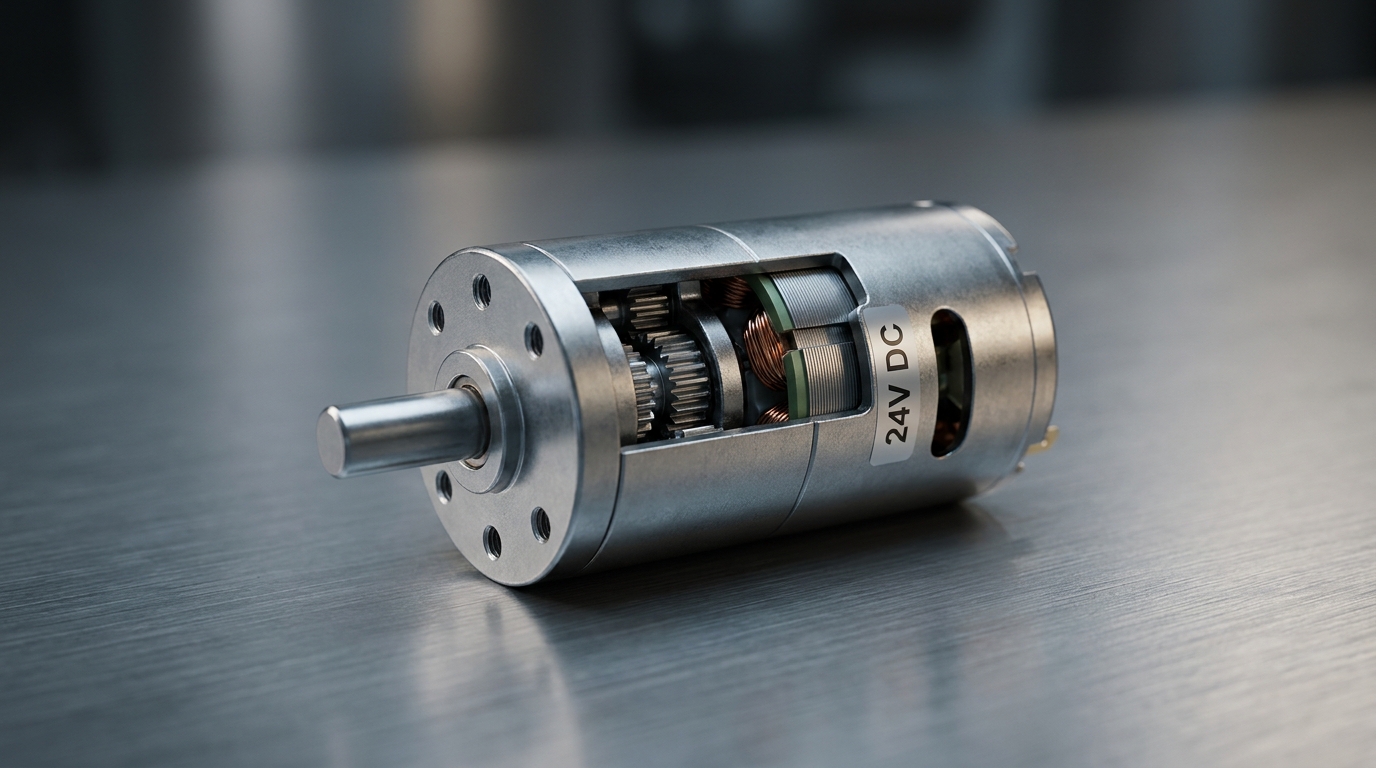
Voltage stability and efficiency benefits
Operating high-power systems requires voltage choices that mitigate copper loss and circuit overheating.
- Higher operating voltages require thinner wiring for the same power.
- Thermal degradation is dramatically reduced over continuous operation.
- Reduced current draw simplifies overall power supply requirements.
Key Takeaway: Standardizing on a 24V B2B platform reduces system design complexity and thermal management overhead.
| System Voltage | Copper Efficiency (%) | Thermal Output | Wiring Requirements | |
|---|---|---|---|---|
| 12V DC | 74% | High | Thick Gauge | |
| 24V DC | 89% | Low | Thin Gauge |
Evaluating these distinct performance metrics demonstrates how elevated operating voltages improve thermal margins.
How does a planetary gearbox boost performance?
A planetary gearbox boosts performance by distributing heavy mechanical loads symmetrically across multiple planet gears surrounding a central sun gear. This load-sharing design allows the assembly to handle incredibly high torque density within a highly compact housing. Integrating a high-precision 24v dc gear motor utilizing a planetary configuration ensures smooth power transmission under shock loads. For applications demanding extreme reliability, planetary gearing provides unparalleled torsional stiffness.
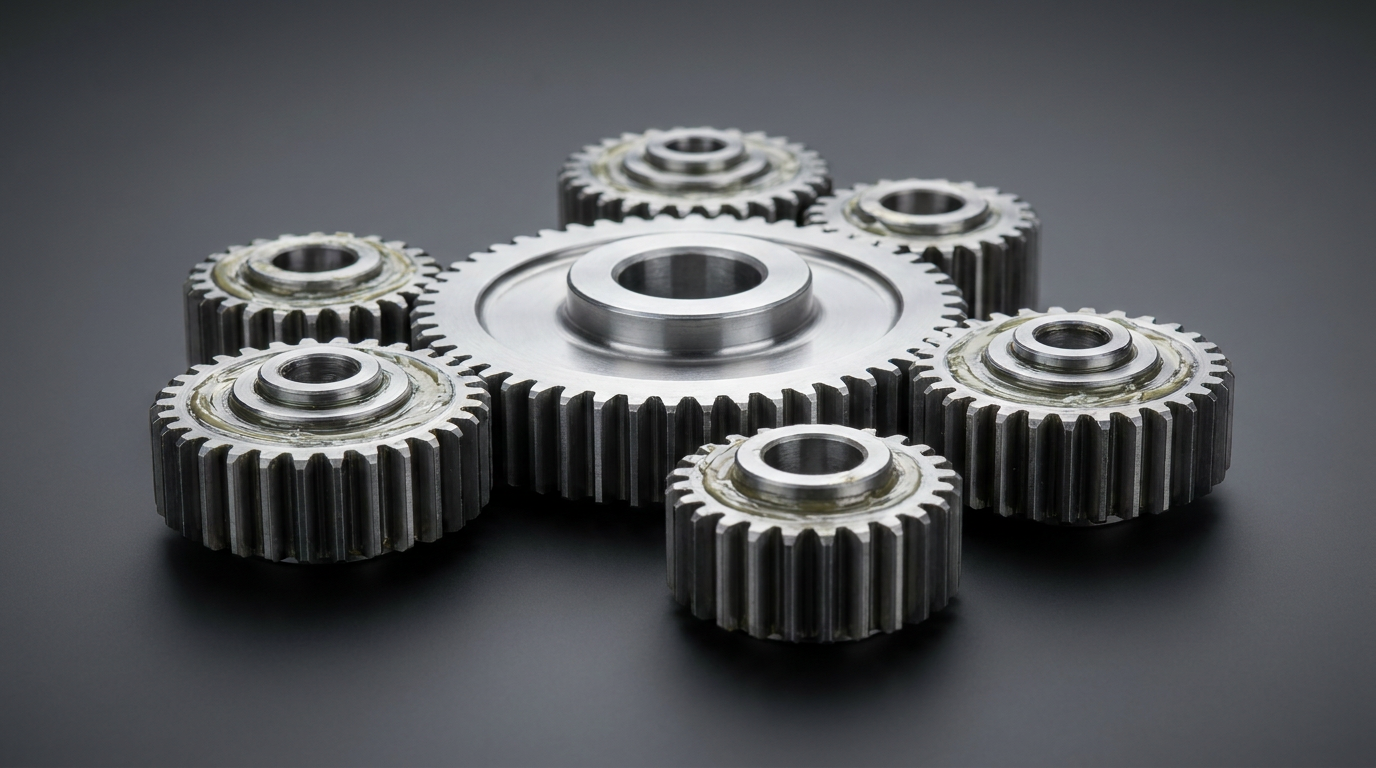
Compact coaxial power transmission
Symmetrical load-sharing within planetary configurations prevents shaft misalignment and premature wear.
- Inline input and output shafts maximize spatial efficiency.
- Multiple gear teeth mesh simultaneously to prevent tooth breakage.
- High efficiency ratings minimize overall rotational friction losses.
Key Takeaway: Utilizing planetary gearheads allows B2B OEM manufacturers to package high-torque drives into constrained modular footprints.
| Gearbox Type | Torque Density | Axial Efficiency | Mechanical Backlash | |
|---|---|---|---|---|
| Planetary | Extremely High | Up to 95% | Minimal (< 3 arcmin) | |
| Standard Spur | Low to Moderate | Up to 90% | High (> 15 arcmin) |
Reviewing this direct mechanical comparison highlights why planetary systems excel in demanding motion control.
What makes worm gearboxes ideal for holding loads?
Worm gearboxes are ideal for holding loads because their inherent physical geometry prevents the output shaft from driving the input shaft backward. This self-locking phenomenon eliminates the need for expensive external mechanical braking systems in vertical elevator or conveyor designs. Coupling this configuration with a robust 24v dc gear motor ensures your system locks securely in place during sudden power interruptions. This unique design provides absolute mechanical safety for your automated machinery and operators.
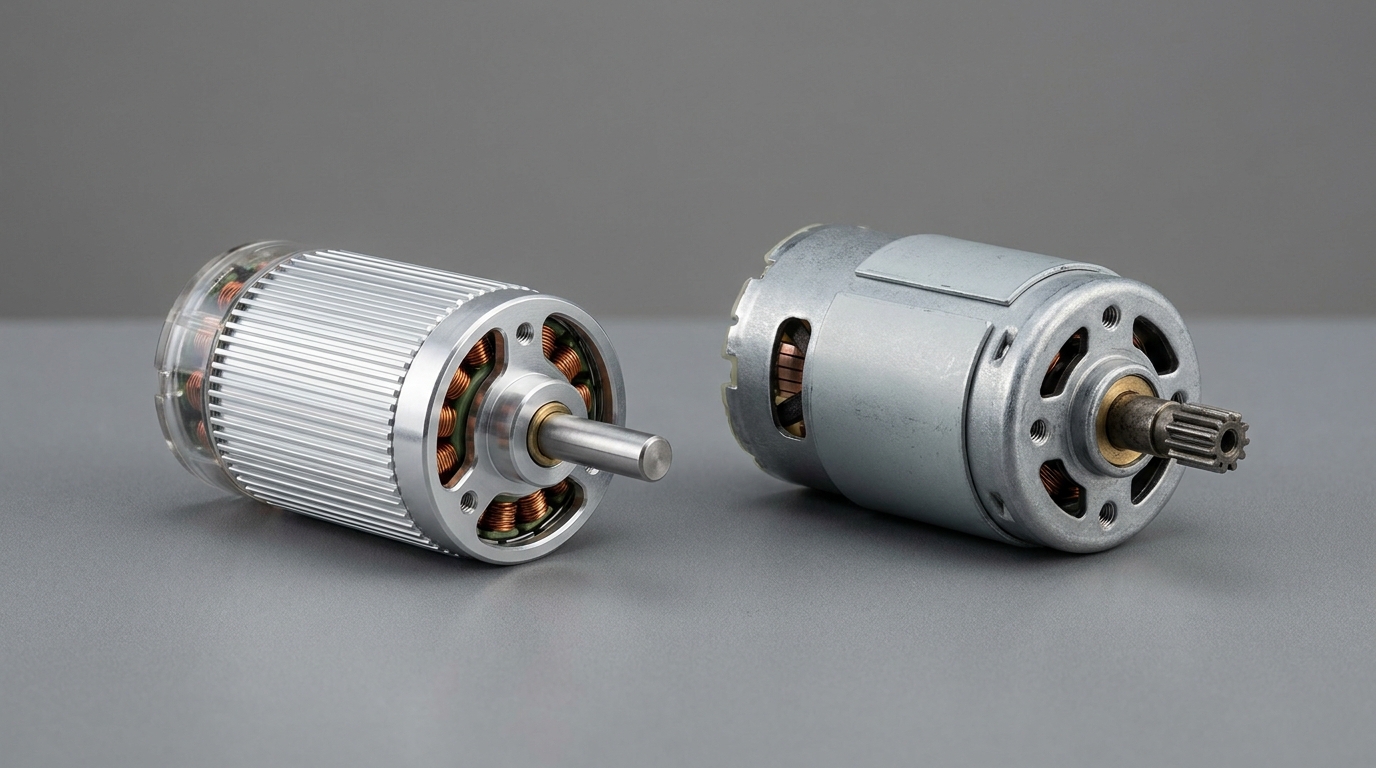
Self-locking mechanisms for safety
The mechanical friction angle between the worm screw and worm wheel prevents back-driving.
- Instant safety braking occurs passively when power is lost.
- Right-angle output configurations save substantial longitudinal mounting space.
- Fewer mechanical parts translate into reduced diagnostic maintenance.
Key Takeaway: Worm-geared drive units provide B2B operations with a passive safety system that cuts brake-hardware costs.
| Gear Drive Design | Back-Drive Capability | Mounting Configuration | Maintenance Interval | |
|---|---|---|---|---|
| Worm Gear | Non-Back-Drivable | Right-Angle (90°) | Long Lifetime | |
| Helical Gear | Highly Back-Drivable | Parallel Shaft | Moderate Lifetime |
Analyzing these architectural profiles reveals why right-angle drives are preferred for static load-holding.
When should you choose spur gearbox motors?
You should choose spur gearbox motors when your application requires a simple, highly cost-effective speed reduction solution operating at low-to-moderate duty cycles. This configuration uses straight-toothed gears mounted on parallel shafts to efficiently transfer torque with minimal internal friction. A lightweight 24v dc gear motor utilizing a spur gearbox is excellent for devices that do not face extreme shock loads. It remains the ideal economic choice for commercial and consumer-facing automated applications.
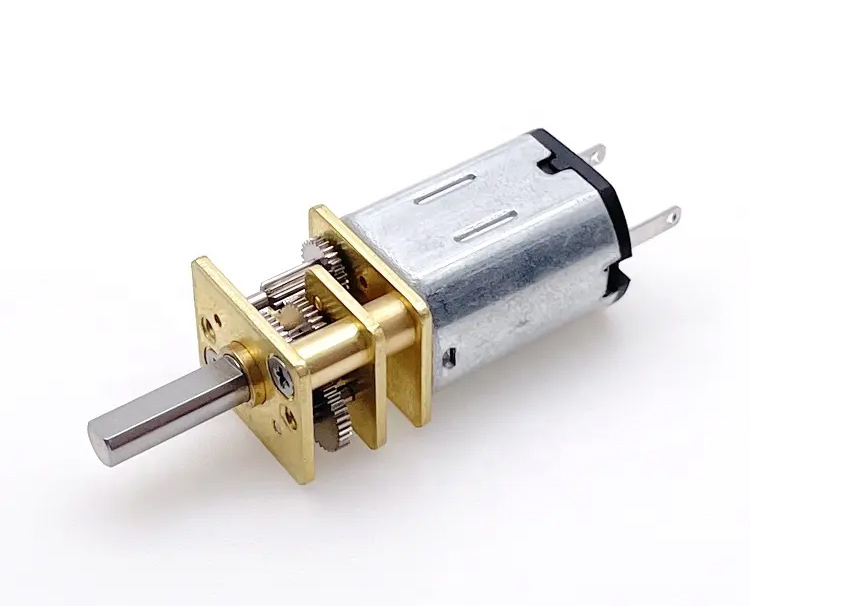
Cost-effective speed reduction solutions
Spur gears deliver direct power transmission with minimal mechanical complexity.
- Simplified manufacturing processes keep production costs low.
- Absence of axial thrust forces increases overall bearing lifespan.
- Wide availability of gear ratios speeds up prototyping phases.
Key Takeaway: Spur gearheads offer B2B procurement managers a low-cost, highly reliable choice for non-extreme operating conditions.
| Gear Arrangement | Production Cost | Noise Level | Axial Loading | |
|---|---|---|---|---|
| Spur Gear | Very Low | Moderate | None | |
| Helical Gear | Moderate to High | Low | High |
This comparison clarifies when the cost advantage of straight-tooth spur configurations outweighs noise considerations.
Why does flat gearbox design save vital space?
Flat gearbox designs save vital space by utilizing a parallel-shaft or offset flat profile that minimizes the overall depth of the drive assembly. This ultra-low-profile structure allows designers to easily slide the motor unit into narrow walls or thin equipment cabinets. Choosing a flat-geared 24v dc gear motor ensures that robotic sweepers, automated guided vehicles, or slim-profile medical devices remain exceptionally compact. It is the ultimate solution for designs where radial space is plentiful but axial clearance is strictly limited.
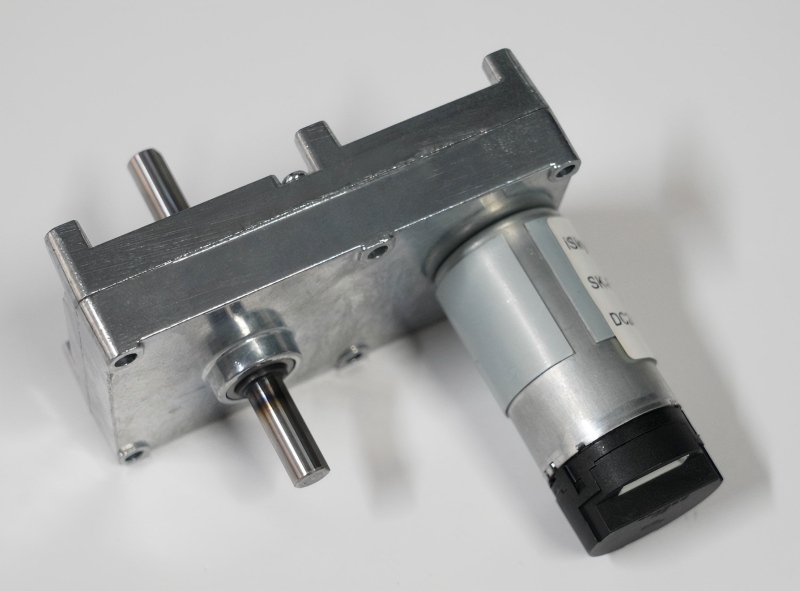
Radial space optimization in tight cabinets
Deploying flat gearheads addresses the severe space constraints found in modern machinery.
- Shallow depth permits mounting flush against internal structural framing.
- Center-to-center offset gear layouts lower the overall drive height.
- Reduced component profiles decrease the weight of moving robotic joints.
Key Takeaway: Low-profile flat gearboxes allow B2B engineers to design sleeker, more agile robotic products without losing torque.
| Design Profile | Total Module Depth | Weight Distribution | Mounting Complexity | |
|---|---|---|---|---|
| Flat Gearbox | Ultra-Thin (Slim) | Concentrated Radially | Straightforward | |
| Coaxial Inline | Extended Depth | Symmetrical Axially | Requires Depth Clearance |
Examining these geometry classes reveals how flat profiles solve spatial bottlenecks in tight structural envelopes.
How do integrated Hall sensors improve precision?
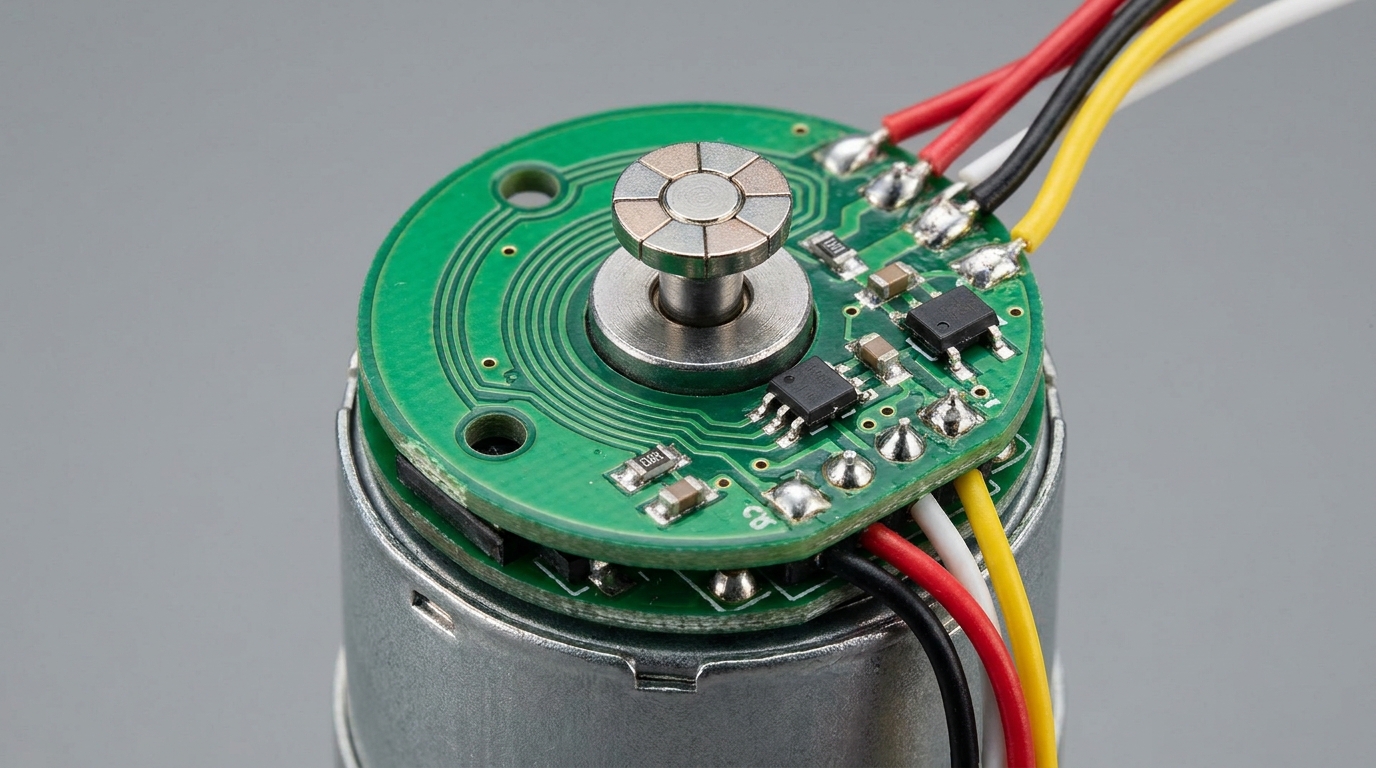
Integrated Hall sensors improve precision by tracking the rotational position of the motor shaft in real-time to provide high-resolution digital feedback to the controller. This continuous stream of pulse data allows the controller to adjust speed instantly, maintaining exact speed under variable loads. When combined with a premium 24v dc gear motor , integrated encoders enable sub-millimeter positional control. This feedback loop ensures repeatable performance across complex multi-axis motion control systems.
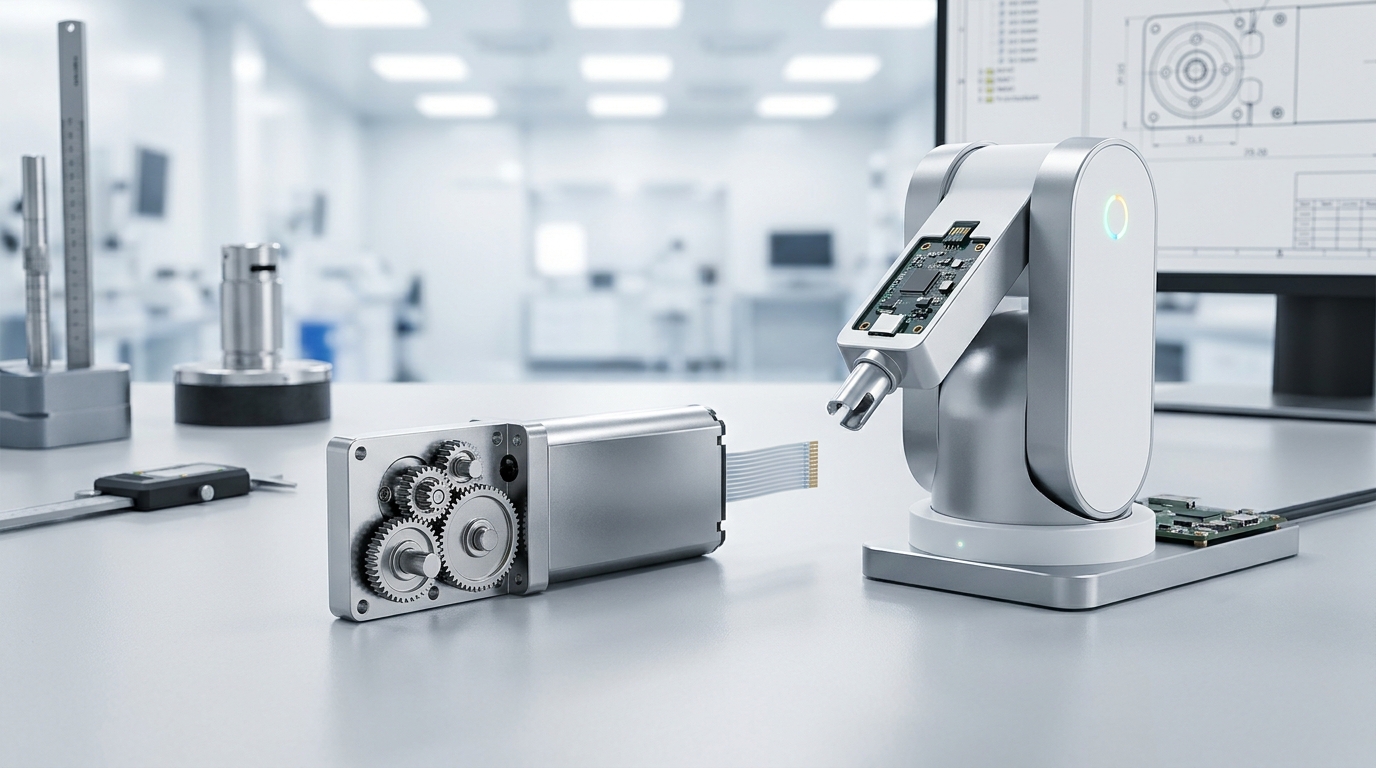
Real-time feedback and closed-loop control
Hall effect magnetic sensors provide non-contact, wear-free feedback in harsh industrial environments.
- Magnetic tracking resists dust, oil, and moisture contamination.
- Dual-channel quadrature outputs indicate both shaft speed and direction.
- High pulse counts allow precise positioning of robotic arms.
Key Takeaway: Closed-loop control systems powered by Hall sensors provide B2B processes with reliable repeatability and zero calibration drift.
| Feedback Type | Environmental Resistance | Positional Accuracy | Component Longevity | |
|---|---|---|---|---|
| Hall Encoder | Excellent (Magnetic) | High (Pulse Tracking) | Wear-Free (Non-Contact) | |
| Optical Encoder | Poor (Sensitive to Dust) | Ultra-High | Moderate |
Reviewing these sensor parameters shows why magnetic encoders are highly suited for challenging industrial floors.
What role does the torque-speed curve play?
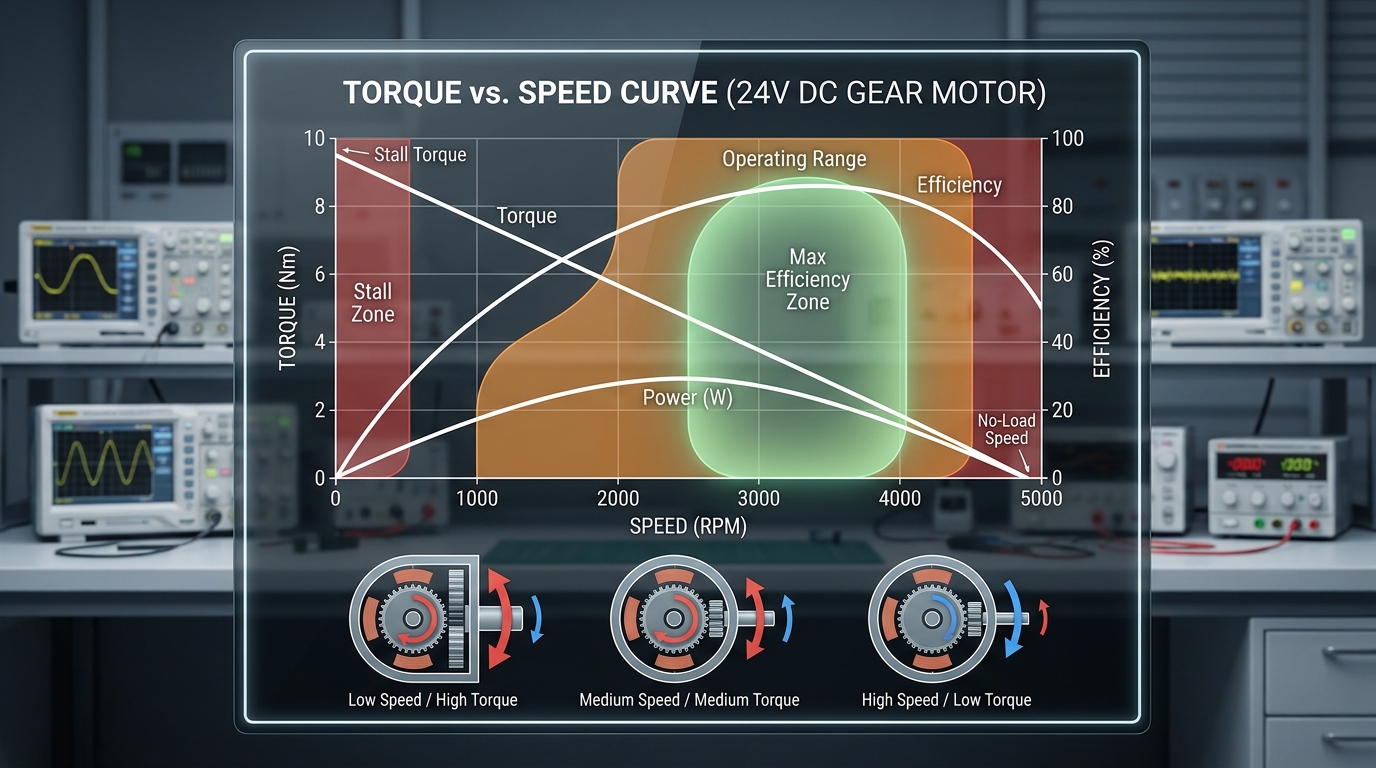
The torque-speed curve serves as the ultimate diagnostic map, showing how motor torque output decreases linearly as speed increases. This performance profile is essential for determining the maximum continuous operating range and safety factor of the motor. Analyzing this curve alongside your 24v dc gear motor’s specs helps prevent thermal overload and catastrophic motor stall. It allows engineers to select the exact gear ratio needed to keep the motor running in its peak efficiency zone.
Decoding torque-speed curve optimization
Matching gear ratio selections to the curve peak ensures maximum mechanical output.
- Running near the peak efficiency point prevents overheating.
- Stall torque parameters define safety limits for heavy starting loads.
- No-load speed calculations dictate maximum cycle rate capabilities.
Key Takeaway: Matching the load curve to the peak efficiency zone ensures B2B machinery runs cooler and consumes less power.
| Performance Point | Speed (RPM) | Torque (Nm) | Efficiency (%) | |
|---|---|---|---|---|
| No-Load | Maximum | Zero | Minimal | |
| Max Efficiency | Balanced (75% Max) | Moderate | Peak (80% – 90%) |
This load profile data demonstrates why gear selection is critical for keeping the motor within its ideal efficiency envelope.
Why is medical robotics adopting mini gear motors?
Medical robotics is adopting mini gear motors because they deliver incredibly high torque and fine control in an ultra-compact, sterilizable footprint. Surgical robots, automated prosthetics, and drug delivery systems require absolute precision where millimetric errors are unacceptable. A specialized 24v dc gear motor engineered with a high-ratio gearbox meets these stringent clinical standards. Their high reliability ensures patient safety during long, critical surgical operations.
Sterilizable and precise miniature drives
Miniature drive systems must perform under extreme clinical demands and autoclave sterilization cycles.
- High-grade biocompatible materials prevent fluid contamination.
- Brushless internal designs produce zero carbon dust.
- Zero-backlash gears ensure exact placement during micro-surgeries.
Key Takeaway: Mini B2B medical actuators allow manufacturers to achieve surgical precision while complying with strict FDA standards.
| Application | Required Precision | Backlash Limit | Sterilization Needs | |
|---|---|---|---|---|
| Surgical Robot | Sub-Millimeter | Zero Backlash | Autoclave Ready | |
| Lab Automation | Standard Control | Low Backlash | Basic Sealing |
Comparing these medical-grade performance criteria illustrates the extreme mechanical refinement required in clinical environments.
How does cleanroom assembly ensure motor quality?
Cleanroom assembly ensures motor quality by removing microscopic airborne dust and particulate contaminants that can settle on high-tolerance bearings or gear tooth profiles during manufacturing. Even minor dust particles can cause accelerated friction, mechanical wear, or complete drive failure. Standardizing on cleanroom assembly for your 24v dc gear motor guarantees the longevity and silent operation of high-performance micro-drives. This controlled process is vital for aerospace, medical, and semiconductor applications.
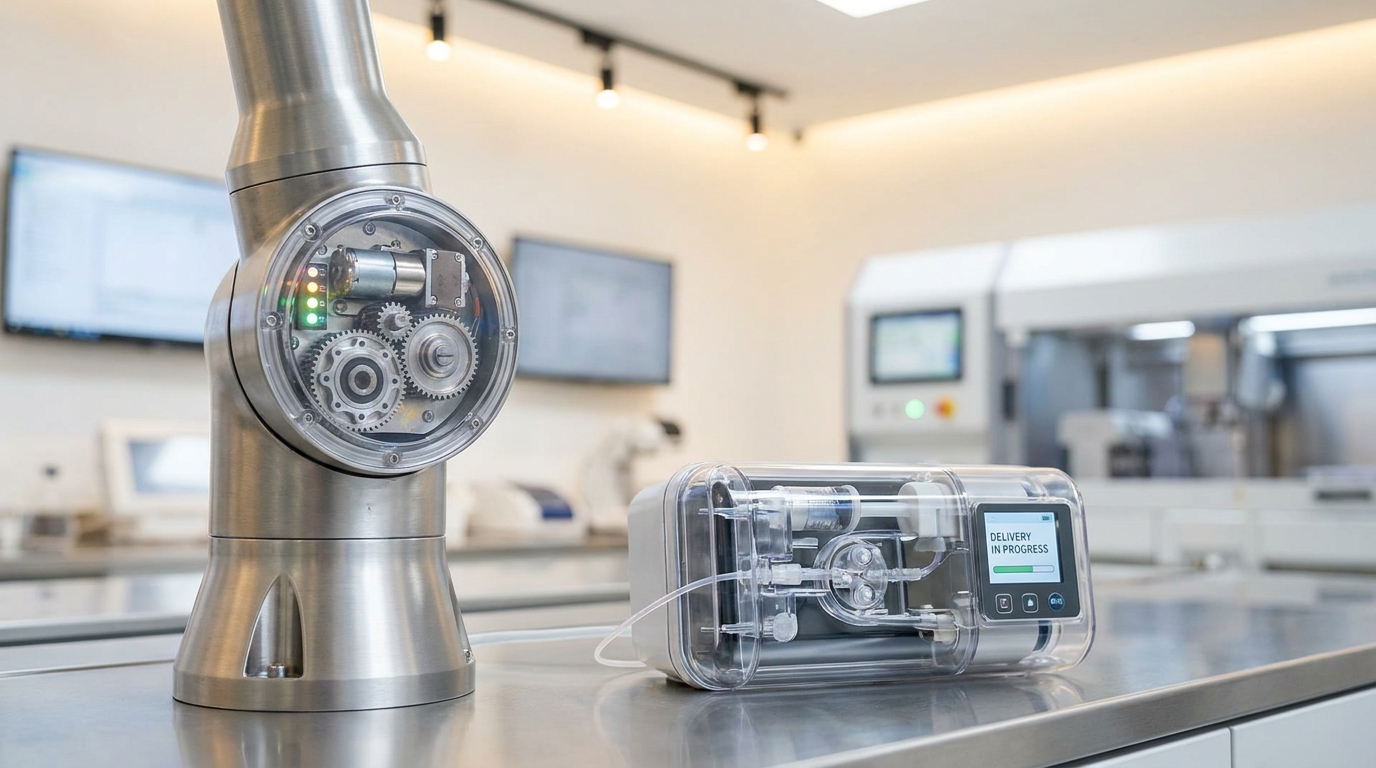
Eliminating contaminants for extreme reliability
Controlling the manufacturing environment prevents early mechanical wear and electrical insulation breakdown.
- ISO-certified environments protect sensitive optical or magnetic encoders.
- Specialized vacuum greases are applied to gears without risk of contamination.
- Electrostatic discharge control protects delicate microelectronics.
Key Takeaway: Specifying cleanroom-manufactured gearmotors reduces B2B field failure rates and warranty claim costs.
| Cleanroom Level | Particulate Limits | Key Inspected Component | Primary Industry | |
|---|---|---|---|---|
| ISO Class 6 | Minimal | Precision Bearings | Aerospace & Defense | |
| ISO Class 7 | Low | Encoder Circuitry | Medical Electronics |
These environmental standards highlight how manufacturing quality directly translates to long-term reliability in the field.
What customization options maximize torque output?
Customization options maximize torque output by allowing engineers to specify unique gear ratios, high-performance winding materials, and heavy-duty shaft designs for their exact application load profiles. Modifying these core elements allows a standard motor to handle extreme load conditions without increasing the overall chassis size. Tailoring your 24v dc gear motor’s gearbox configuration allows you to balance speed and torque perfectly. This bespoke design process delivers the highest performance efficiency at the lowest overall cost.

Tailoring ratios for application demands
Bespoke engineering matches internal motor physics to your external operational load curves.
- Custom gear materials like hardened steel increase maximum torque limits.
- Special shaft geometries prevent shear failure under sudden shock loads.
- Tailored electrical windings align the motor’s power peak with your battery profile.
Key Takeaway: Co-developing customized gearmotors with an expert manufacturer gives B2B clients a clear competitive advantage.
| Customization Option | Torque Impact | Lead Time Impact | Primary Value | |
|---|---|---|---|---|
| Hardened Steel Gears | + 45% Increase | Moderate | Extreme Durability | |
| Custom High-Ratio | Double or Triple | Low to Moderate | Perfect Speed Control |
Reviewing these tailoring options shows how customized configurations deliver maximum mechanical output for specific designs.
Conclusion
Finding the perfect balance of torque, speed, and size is critical for B2B engineering success. Partnering with a specialized miniature DC gear motor manufacturer like iSky provides you with direct access to an elite engineering portfolio. Whether you need a high-performance Brushless DC Motor, a space-saving Flat Gearbox Motor, or a high-torque Planetary or Worm Gearbox Motor, our advanced manufacturing lines are ready to meet your exact specifications. Do not compromise on your automation system’s performance— contact us today to schedule a technical consultation with our engineering team and secure high-precision samples for your next project.
Frequently Asked Questions
Can I run a 24V DC gear motor on a 12V power supply?
Yes, you can run it, but the motor will operate at roughly half its rated speed and torque. This reduced voltage may also cause the motor to stall more easily under moderate loads.
What’s the best gearbox type for zero backlash in positioning systems?
Planetary gearboxes are generally the best choice for achieving low backlash. Their coaxial load-sharing design reduces mechanical play to an absolute minimum.
How do I know if my gear motor requires an integrated encoder?
Yes, you need one if your system demands closed-loop positional feedback or precise speed regulation. Without an encoder, your controller cannot compensate for rotational speed changes caused by varying loads.
Can I customize the output shaft shape for my unique couplings?
Yes, custom shaft profiles like D-cuts, keyways, or splines are readily available from the manufacturer. These modifications ensure seamless integration with your mechanical system and prevent shaft slippage under high load.